
Yesterday Clayton Davis published an article in Variety about the politics determining who gets honorary Oscars. Davis discussed current favorites – Harrison Ford, Bette Midler, James Hong, and of course, Glenn Close – while also explaining why the Academy has denied certain luminaries these awards, such as Ridley Scott. Submissions for honorary awards closed at the end of May, which sucks because I’ve been meaning to write this article for a while and only just got around to it. If there are any Academy members (other than my mom) who follow me, I hope you bookmark this essay and put these names in nomination next year and beyond:
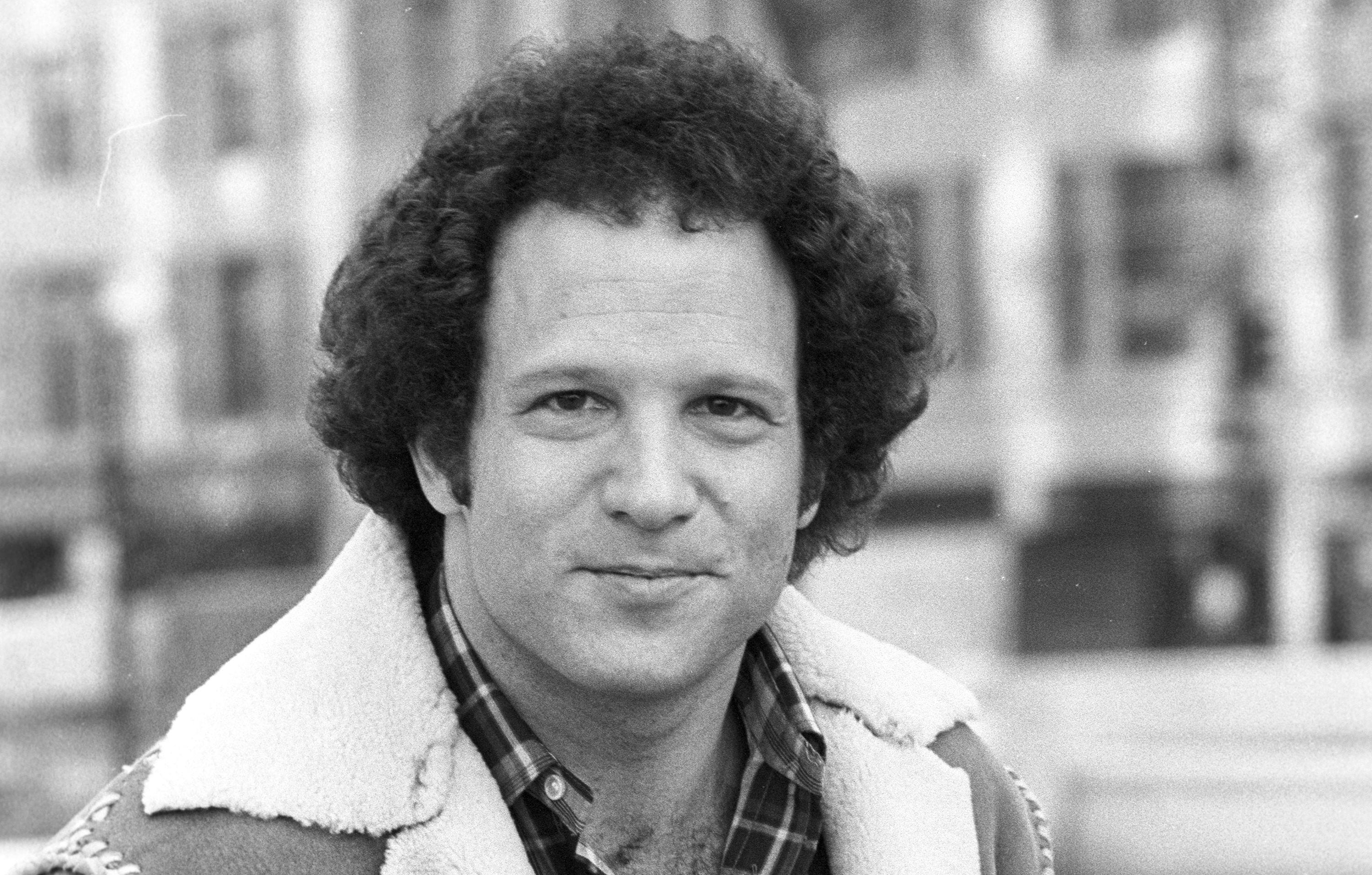
Albert Brooks
The quintessential comedian’s comedian, Albert Brooks’ films satirize the foibles of contemporary American life. His debut film, Real Life, foreshadowed the rise of reality television, and his subsequent work, which includes Modern Romance, Lost in America and Defending Your Life, examine the difficulties of building and maintaining relationships without ego or fear. His work as an actor is similarly superb, receiving a well-deserved Best Supporting Actor nomination for his performance in Broadcast News, and proved himself an excellent dramatic actor in films like A Most Violent Year and Drive. He’s influenced so many filmmakers that it’s amazing he hasn’t already gotten one.
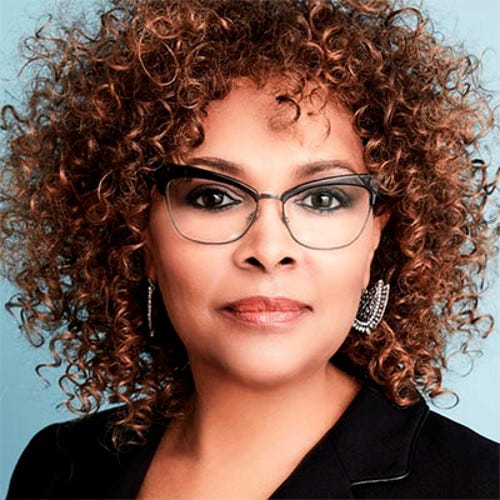
Julie Dash
Julie Dash’s Daughters of the Dust was the first film made by a Black woman to receive theatrical distribution in the United States. Her vision of Black Gullah islanders at the turn of the 20th century demands viewers enter a different headspace to experience how, to paraphrase William Faulkner, the past is never past. Dash’s reminds us that slavery and oppression do not exist in a historical vacuum ending in 1865 – they loom in the background no matter what degree of freedom Blacks possess. Daughters of the Dust regularly shows up on critics’ lists of the greatest films of all time, and it was a huge inspiration for Beyoncé’s Lemonade. If the Oscars want to up their ratings, they’d not only bring the honorary awards back on the show, but have Beyoncé present Dash with her Oscar.
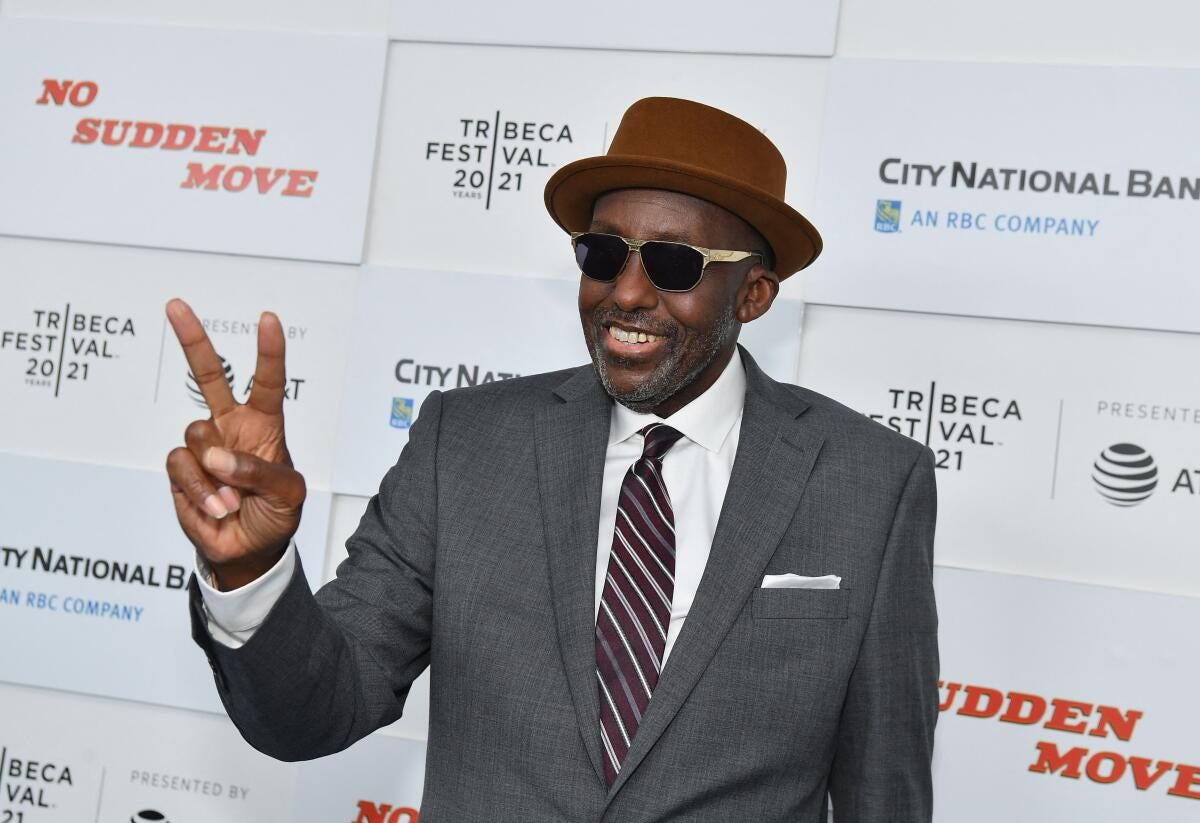
Bill Duke
Bill Duke’s career as an actor and director spans more than 50 years. He was one of the stars of Mario Van Peebles’ Ain’t Supposed to Die a Natural Death on Broadway, and was a breakout star of the 1976 film Car Wash, in which he played Black revolutionary Duane. As a director, he moved elegantly between dramas and comedy – how many people could make the great cop movie Deep Cover and Sister Act 2? He also played Mac in Predator, so if you’ve ever screamed “Mac!” in Arnold Schwarzenegger’s voice, he’s who you’re referring to.
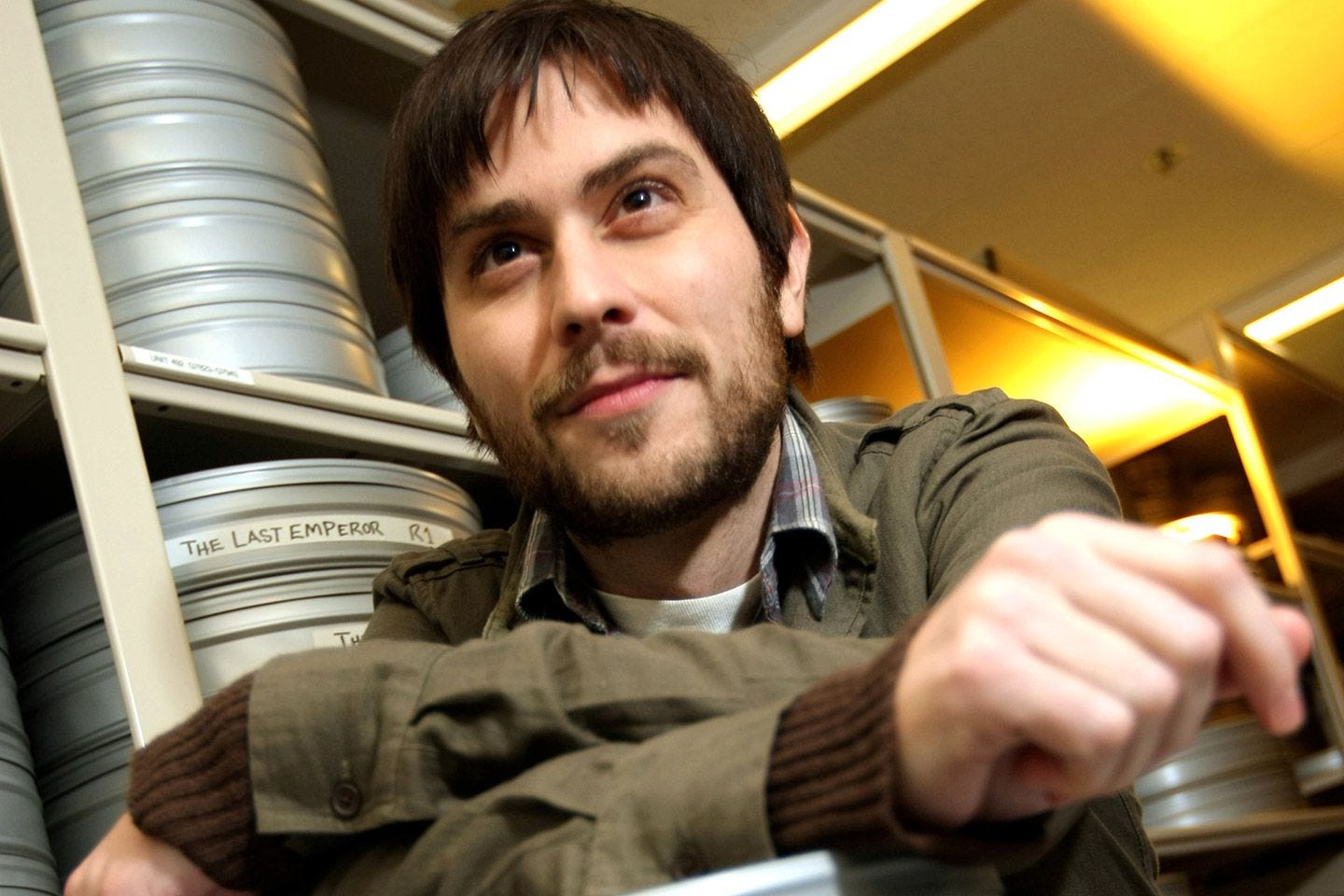
Don Hertzfeldt
Animation is now the second-biggest branch of the Academy after actors, but they are too often relegated to the kids’ table. The Academy should honor them more than they do, and Don Hertzfeldt would be a great person to start with. Hertzfeldt practically invented the viral video when his 2000 Oscar-nominated short film, Rejected, spread online in the mid-2000s when people first began sharing videos online. I watched the film countless times with my friends, quoting lines like “I live in a giant bucket!” and “I am the queen of France!” that Hertzfeldt juxtaposed with absolutely ridiculous cartoon violence – my favorite is when a character walks into a room that says “silly hats only” minus a silly hat, and everyone else beats him to death. Hertzfeldt’s subsequent work, including his Oscar-nominated short World of Tomorrow, is beautiful and haunting.

Steve James
Best Documentary is the most infuriating Oscar category - yes, even more than Best Picture - because so many of the best documentarians have gone un-honored, none more infamously than Steve James. Granted, Oscar snubs are not a real thing unless they punch you in the face at 5:30 a.m. on nomination day, but there’s one exception: Steve James’ 1994 documentary Hoop Dreams. Filmed over four years on the South Side of Chicago, James tracks the lives of two Black teenagers, William Gates and Arthur Agee, and their dreams of playing in the NBA. Gene Siskel and Roger Ebert led the way with their ecstatic praise for the film, with Ebert eventually calling it the best of the 1990s. Unfortunately, the Academy’s documentary branch, jealous of the film’s success, shut it out from getting nominated. The backlash was intense, with Siskel and Ebert once again leading the way with several segments outlining exactly how documentarians gamed the vote to shut it out. James has gone on to make several other excellent documentaries, including the Roger Ebert bio-doc Life Itself (also not nominated), but Hoop Dreams will always be the film he’s remembered for. Along with William Wyler’s The Best Years of Our Lives, I consider it the greatest film I’ve ever seen about American life.
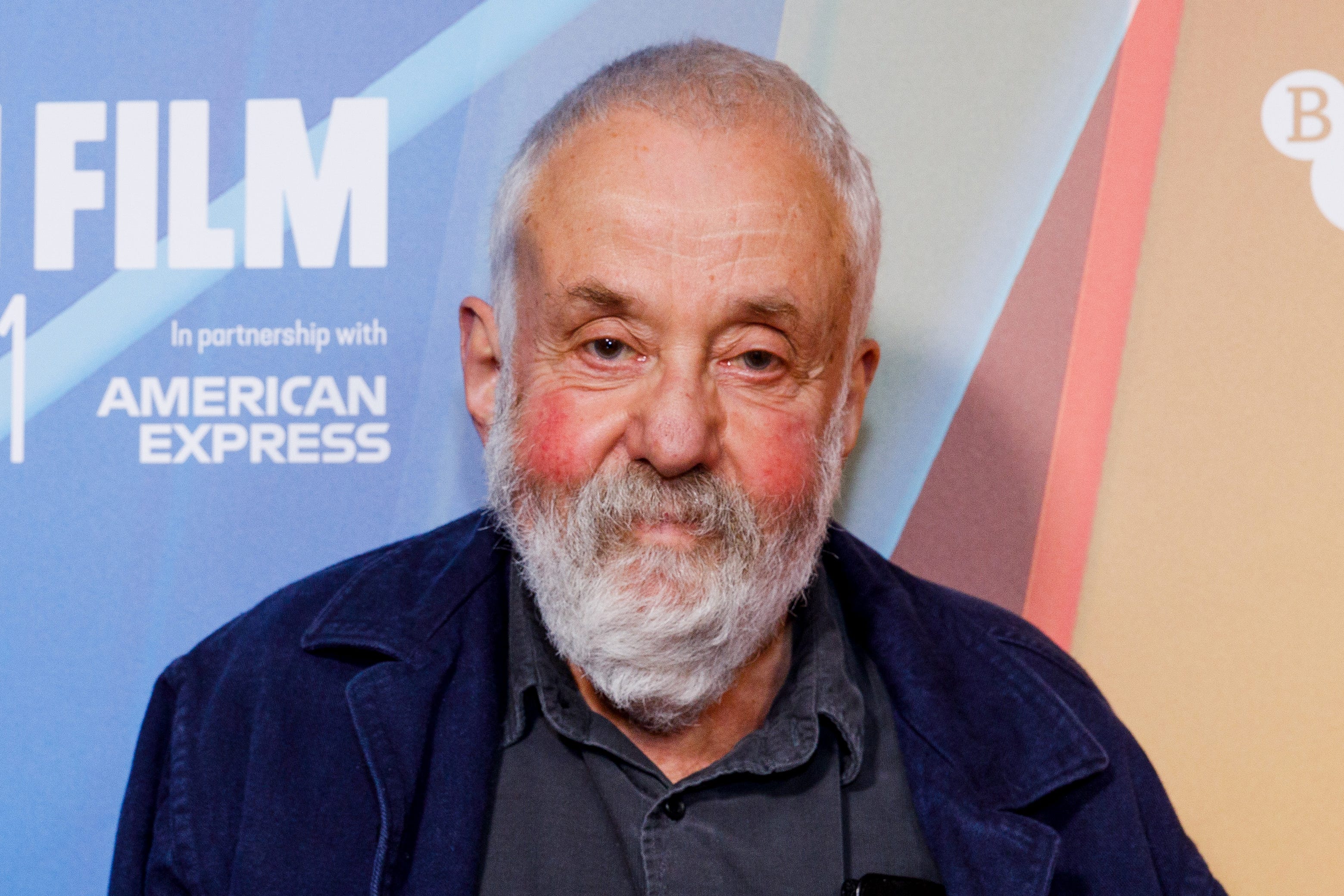
Mike Leigh
Variety states that Mike Leigh is not in consideration for an honorary Oscar due to his upcoming movie Tender Loving Care, which could be an Oscar nominee, but this feels like BS – after all, Agnès Varda got one the same year she was nominated for Faces Places. Leigh is one of the leaders of actor-driven cinema, building his scripts off of improvisations with his ensemble to allow us to see the tormented inner lives of his subjects, from David Thewlis’s monstrous Johnny Fletcher in Naked to Marianne Jean-Baptiste’s short-tempered Pansy in his most recent film, Hard Truths. His ability to capture real behavior on film puts him on par with John Cassavetes.
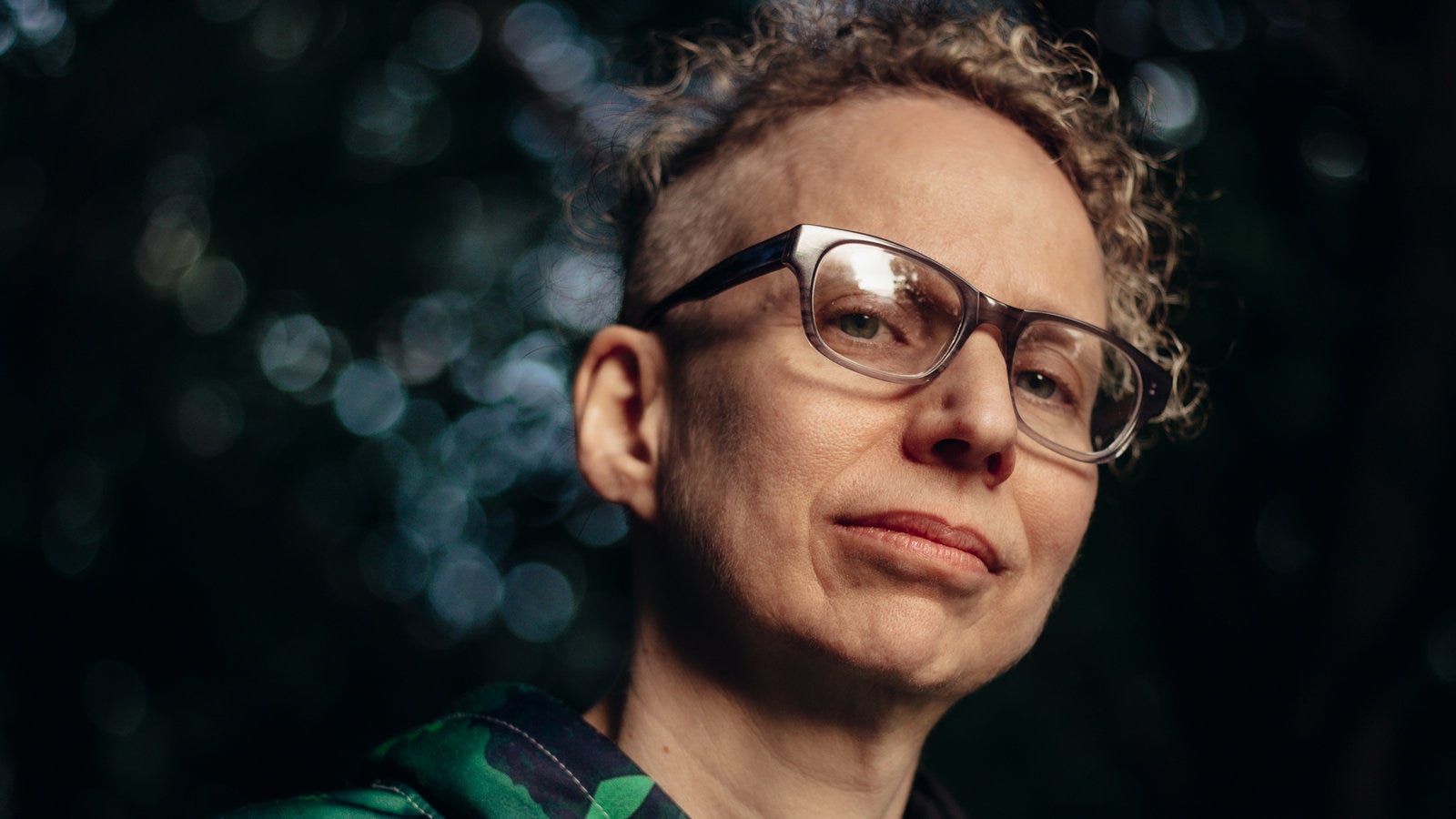
Jennie Livingston
Documentarian Jennie Livingston’s filmography is dominated by their breakout film, 1990’s Paris Is Burning, but even if that was the only film they ever made it would still make them one of the most influential documentarians of their time. Paris Is Burning is an invaluable preservation of the thriving subculture of New York’s drag ball scene shortly before Madonna’s “Voguing” appropriated it into the hetero mainstream. The film inspired Ryan Murphy’s Pose, on which Livingston served as a consulting producer. Of course, like most great documentaries, Paris Is Burning did not get nominated. The Academy seriously needs to make up for how many great documentarians they’ve snubbed. (Yeah, I’m using that word again. Sorry.)
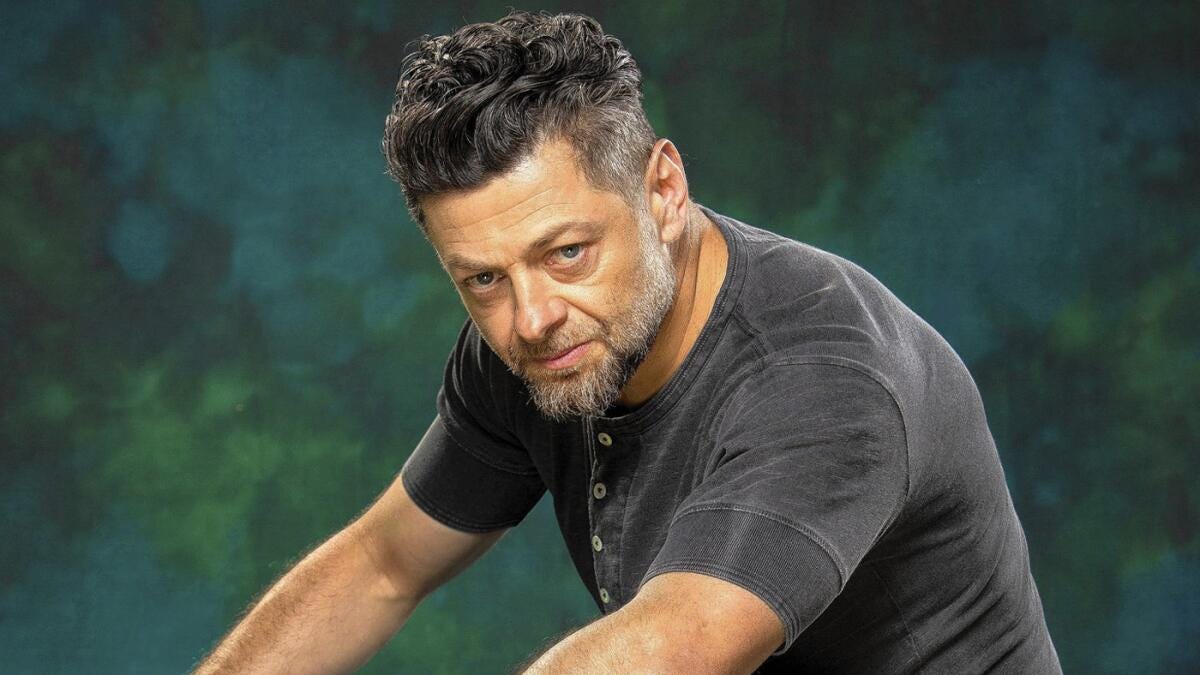
Andy Serkis
Andy Serkis single-handedly made motion-capture acting an art form. His groundbreaking performance as Gollum in The Lord of the Rings trilogy demonstrated how, in conjunction with CGI artists, actors could create an emotionally compelling character even if we never saw their real selves on screen. Gollum embodies the tragedy of the One Ring, as he is so consumed by the illusion of power the ring presents that he also has no idea what to do with that power beyond hoarding it for himself. He’s also hysterically funny, and his conversations with his evil self are some of the most beloved scenes in the franchise. His work as Cesar in the Planet of the Apes prequels is similarly nuanced – he can convey the emotional toll of not fitting in with the world through a mere head shake.
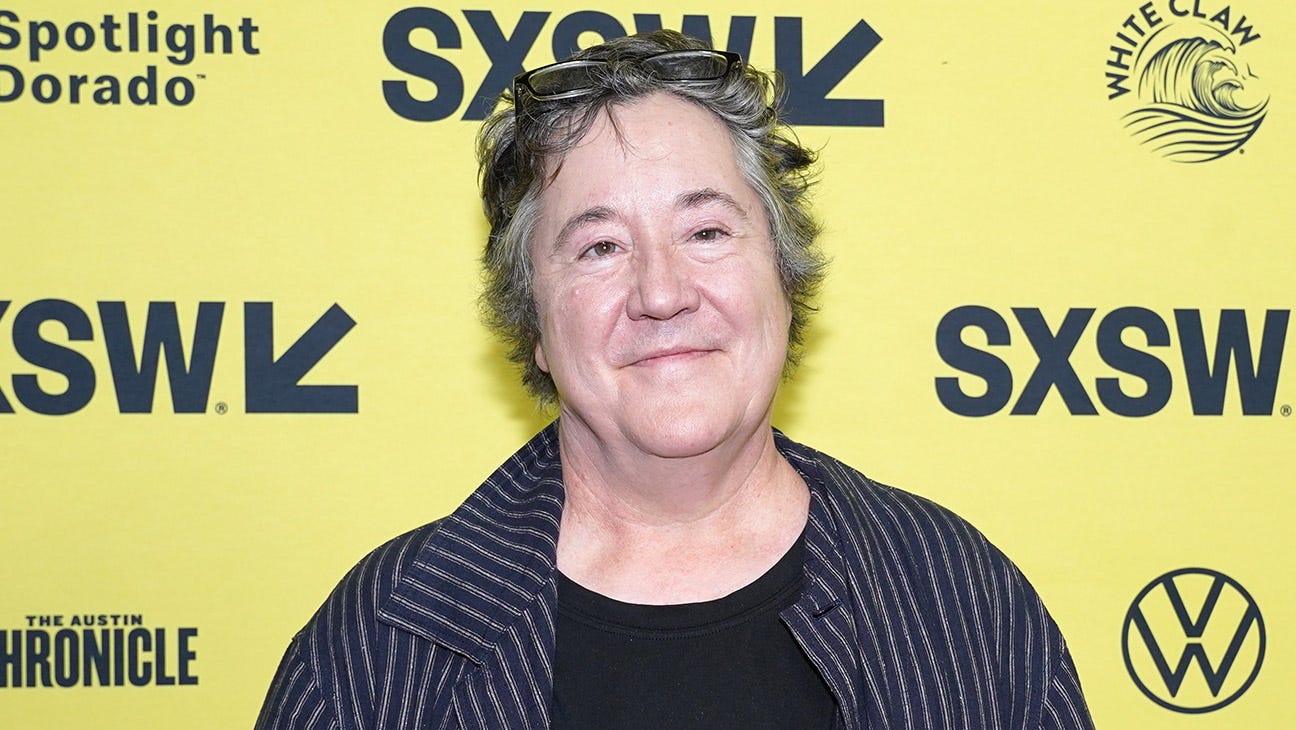
Christine Vachon (Irving Thalberg award)
One of the leaders of the queer cinema movement of the 1990s, Christine Vachon helped bring Todd Haynes to prominence, producing his legendary underground film Superstar: The Karen Carpenter Story and his Sundance breakout Poison. She has since produced all of Haynes’ subsequent films, along with other landmark queer films like Boys Don’t Cry, Hedwig and the Angry Inch and I Shot Andy Warhol. Recent credits include First Reformed, Past Lives and The Brutalist. So many artists would not have the careers they do today had she not taken a chance on them. No woman has won the Thalberg award by herself – they have always won them in a team with another man – and no living producer deserves it more.
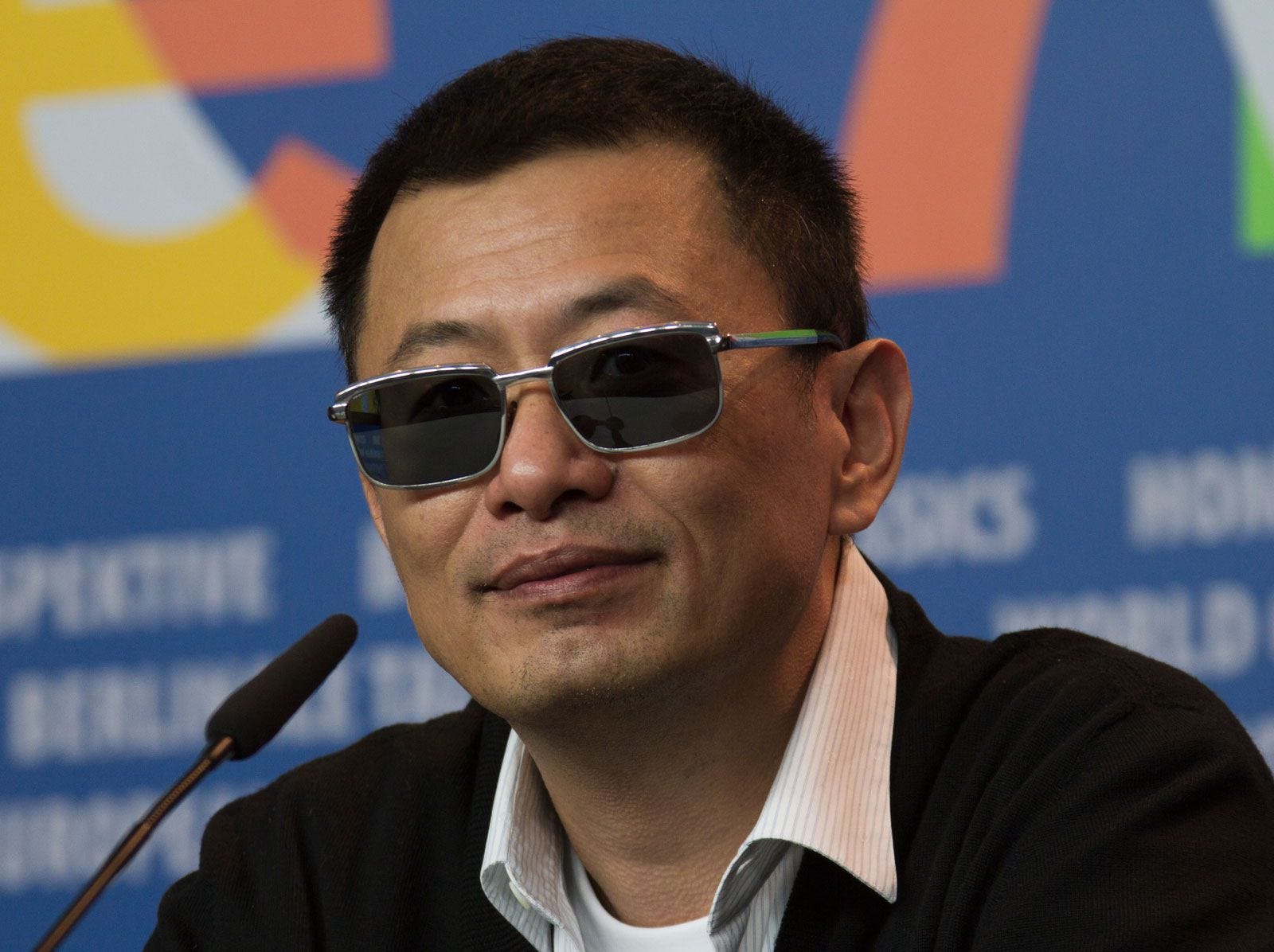
Wong Kar-wai
Without Wong Kar-wai’s In the Mood for Love, there is no A24. Think about it: Moonlight, Aftersun, Past Lives, etc. – the aesthetic of all these films (and plenty others) stems from In the Mood for Love, with its minimal plotting, lush cinematography and extraordinary chemistry between stars Tony Leung Chiu Wai and Maggie Cheung. Like another 2001 film that frequently shows up on top 10 lists, David Lynch’s Mulholland Drive, In the Mood for Love was instantly hailed as a classic, receiving on the 2002 Sight & Sound Top 10 films poll a year later and moving into the top 5 in the last edition of the poll in 2022. Its influence will only grow as new generations of filmgoers discover it. If you have never seen it, stop reading this and go watch it.
Posthumous Recipients:
According to Variety, you can actually receive a posthumous honorary Oscar – they debated giving one to Marilyn Monroe this year for her 100th birthday. Here are a few people who should receive them:
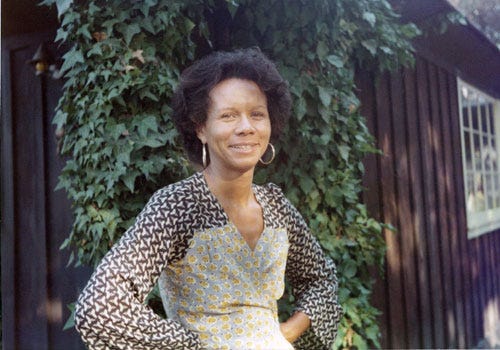
Kathleen Collins
Although Daughters of the Dust is the first film by a Black woman to receive theatrical distribution, the first feature-length film made by a Black woman is Kathleen Collins’ 1982 Losing Ground, which was never released outside the festival circuit. Collins died in 1988 before the film found a wider audience. It is a great work of art about a woman’s search for artistic and emotional fulfillment amid a failing marriage. A 2015 restoration brought the film the critical plaudits it so long deserved, and it’s currently streaming on Criterion Channel.
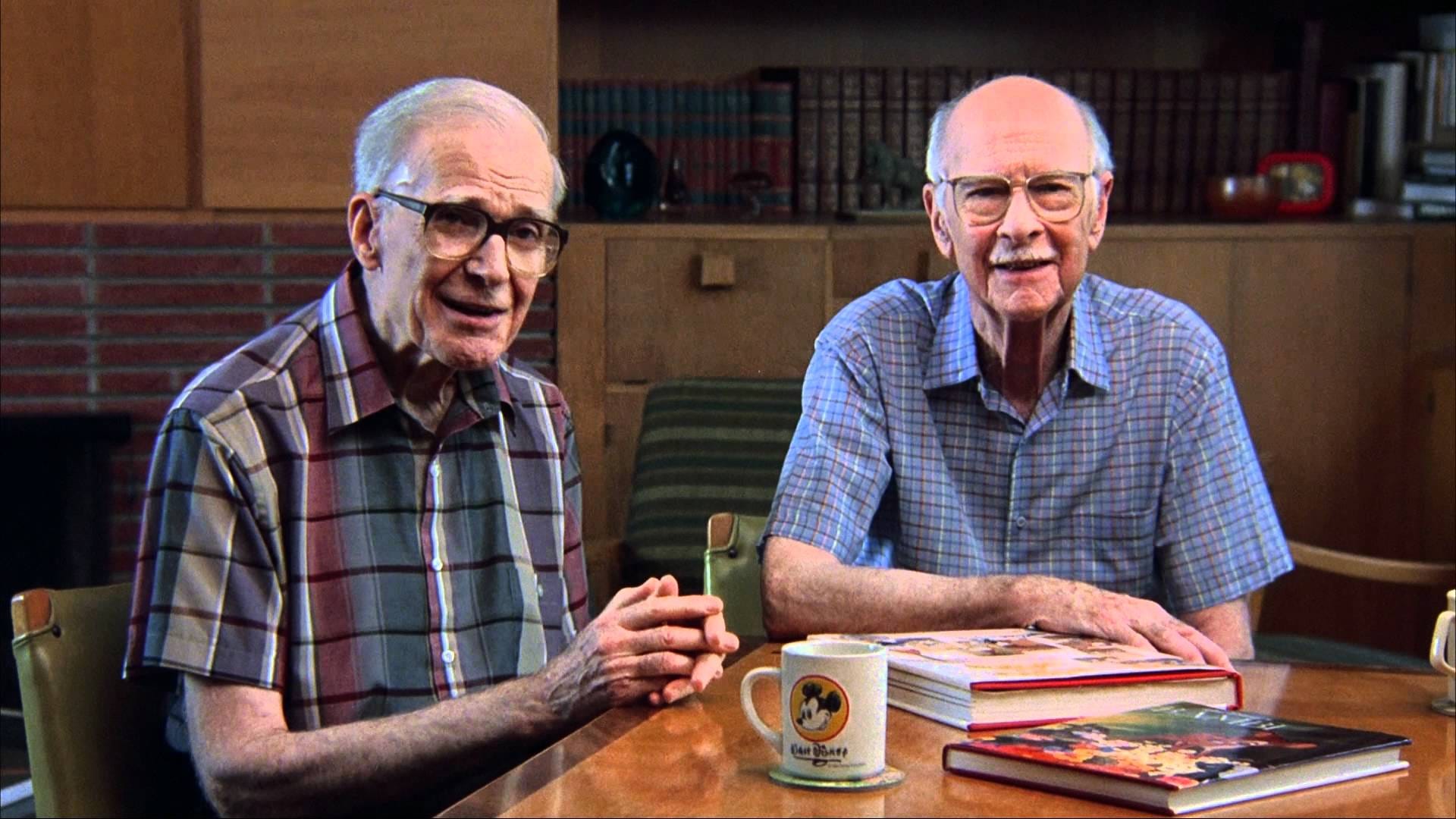
Frank Thomas and Ollie Johnston
Disney’s Nine Old Men (his nickname for his nine favorite animators) pioneered the art of character animation, and none with more impact than Frank Thomas and Ollie Johnston, who met at Stanford in the 1930s and remained friends and neighbors for the rest of their lives. Thomas, who has been called the Laurence Olivier of animators for the sheer range of the roles he brought to life, drew Lady and the Tramp’s kiss, Thumper teaching Bambi to ice skate, and Captain Hook; Johnston’s pen gave us Pinocchio’s nose growing out of his cage, Mr. Smee, and Rufus the cat in The Rescuers. Together, the two of them animated at least a third of the scenes in The Jungle Book, seamlessly alternating the role of Baloo between them. In later years, they wrote the definitive textbook on animation, The Illusion of Life, and mentored many of the leaders at Pixar. They also had voice cameos in The Incredibles. I’m probably the only teenager who recognized them when they showed up on screen. Not that I’m bragging or anything.
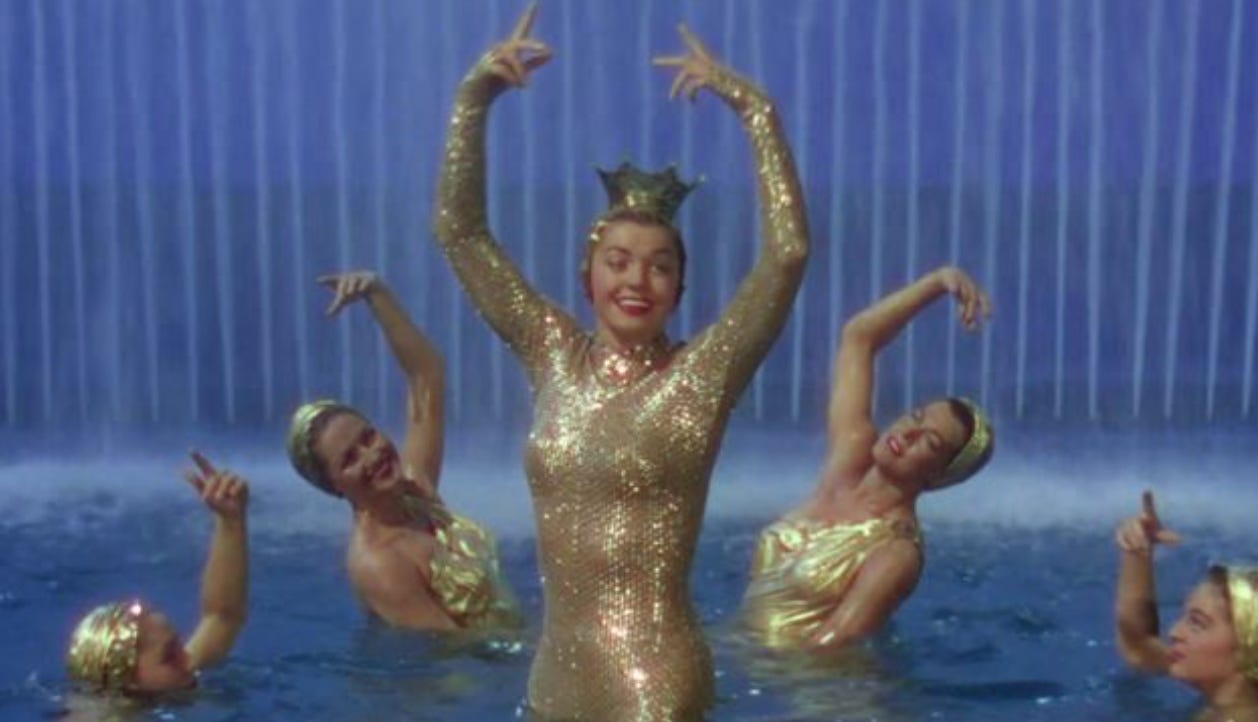
Esther Williams
Nobody will argue that Esther Williams was a great actress or that her films are overlooked gems that critics just didn’t get— and she probably wouldn’t argue that either. But as the Academy prepares to finally give stunt people their own category, they might want to start by honoring the greatest stuntwoman of all time. Williams risked her life every time she dove in front of the cameras and sustaining real injuries, from ruptured eardrums to near-drowning scares to a broken neck from a 115-foot dive in Million Dollar Mermaid. She even did some of these stunts while pregnant. Watching them today, it’s hard not to respect her for conducting herself with such grace under pressure (no pun intended) to take risks that make the antics of Johnny Knoxville look tame by comparison.
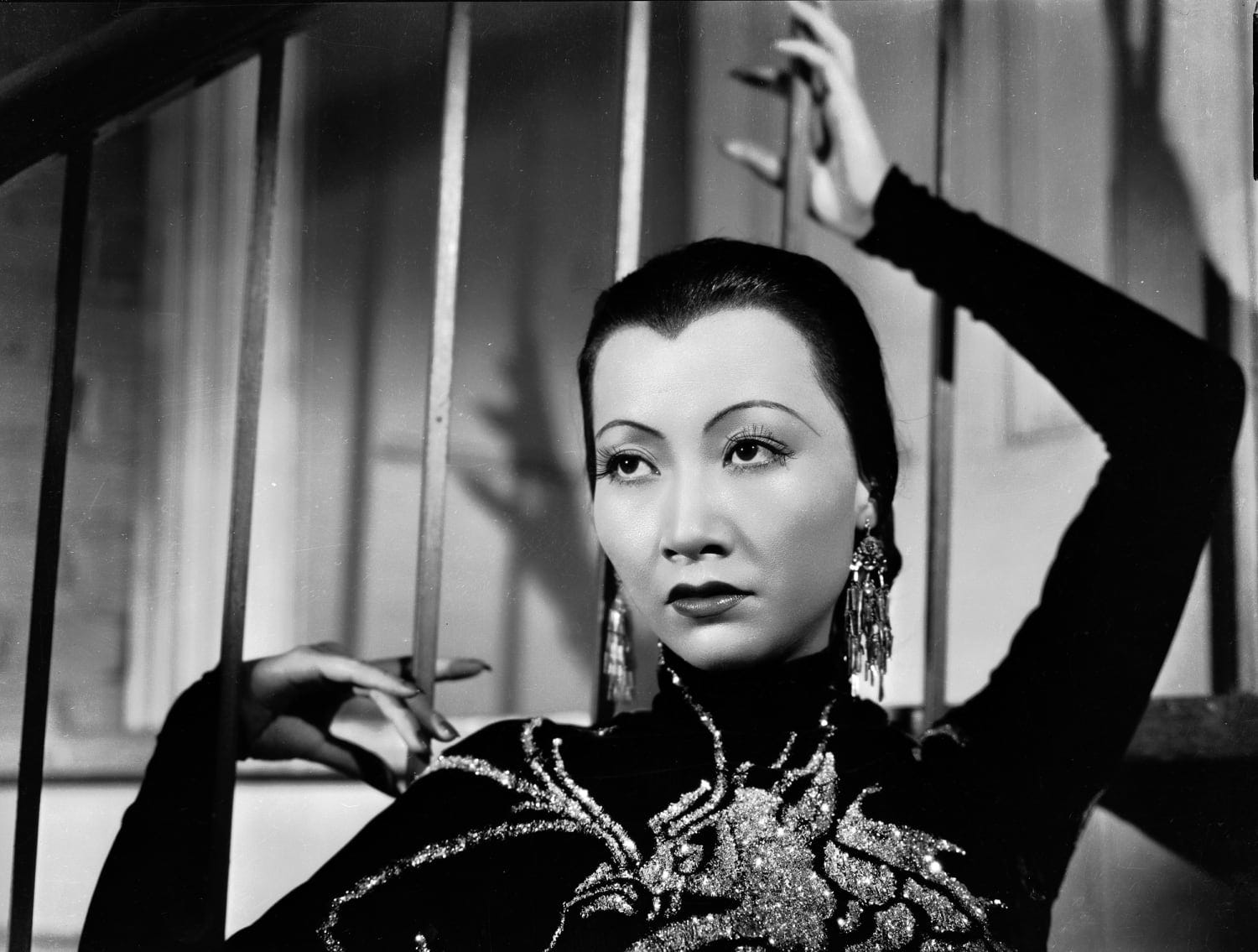
Anna May Wong
Anna May Wong deserves an award for her legacy as the first Chinese-American movie star. She starred in the first feature-length Technicolor film ever made, an adaptation of Madame Butterfly called The Toll of the Sea. Although her career was dominated by stereotypical “dragon lady” roles, Wong built a career for herself at a time when almost all Asian roles were played by actors in yellowface, most infamously in 1937’s The Good Earth, a film for which Wong actively sought the leading role of O-Lan but was rejected in favor of White Austrian actress Luise Rainer. When the studio offered her the role of the dragon lady who wrecks the family, Wong turned it down. Unfortunately, some of her most fascinating work is lost, like her TV series The Gallery of Madame Liu-Song, in which she played a detective (Nicole Chung’s article for Vulture on the show is a must-read.) The past few years have seen a rising interest in her life and legacy—several biographies about her have come out, she appeared as a character in Ryan Murphy’s Hollywood, and the U.S. Mint honored her with a quarter in 2022, the first Asian-American woman to ever appear on one.